Why Boards Must Invite More Operators to the Table
We argue that adding seasoned operators to boardrooms strengthens strategy, execution, and long‑term resilience for today’s companies.

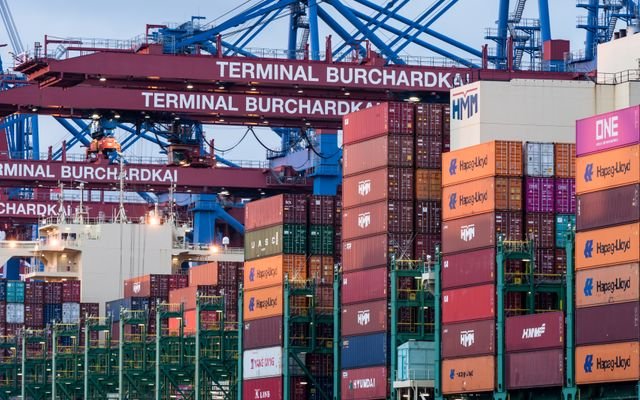
Photo: Alfo Medeiros / Pexels
The Gap Between Vision and Execution
Boards excel at setting direction, overseeing risk, and safeguarding shareholder interests. Yet, many boardrooms lack the hands‑on perspective that comes from running day‑to‑day operations. Without that viewpoint, strategic plans can remain lofty concepts that stumble when confronted with the realities of production, customer service, or supply chain management.
An operator‑focused director brings a practical lens to discussions about growth, cost control, and technology adoption. They can translate high‑level goals into actionable steps, flag operational blind spots, and ask the tough questions that keep initiatives grounded.
How Operator Insight Elevates Board Decisions
- They challenge assumptions about what can be delivered within existing capabilities.
- They help align incentives between executives and the board, ensuring that performance metrics reflect operational realities.
- They provide credibility when the board evaluates leadership talent, drawing on personal experience of what makes a manager successful on the floor.
Consider a company that plans to expand into new markets. A board heavy on finance and legal expertise may focus on capital structure and compliance, while an operator can highlight the nuances of local supply networks, staffing challenges, and the need for adaptable processes. That perspective can reshape the rollout timeline, mitigate risk, and improve the odds of success.
Addressing the Counterpoint
Critics argue that operators may lack the independent judgment required of fiduciaries, fearing they could become overly sympathetic to management. They also suggest that board diversity is already achieved through a mix of functional expertise, making additional operators redundant.
We acknowledge that any director must uphold the duty of loyalty and independence. The solution is not to replace existing expertise but to complement it. Operator directors can and should recuse themselves when conflicts arise, just as any board member would. Moreover, the current composition often leans heavily on finance, legal, and marketing backgrounds, leaving a gap in execution‑focused insight that cannot be filled by other specialties alone.
A Call to Action
We recommend that boards conduct a deliberate audit of their skill sets and actively recruit individuals with deep operational experience. This can be achieved through targeted search firms, alumni networks, or by elevating senior executives who have demonstrated cross‑functional leadership.
By integrating operators into the governance structure, boards will gain a more balanced view of both strategy and its practical implementation. The result is stronger decision‑making, reduced execution risk, and a clearer path to sustainable growth. It is time for boards to close the gap and bring operators into the room where it matters most.
General information only, not personal financial, legal or career advice.