The Meeting Audit: Trimming Calendar Bloat While Keeping Teams Aligned
A step‑by‑step guide to evaluating, redesigning, and sustaining an efficient meeting rhythm that preserves collaboration and focus.

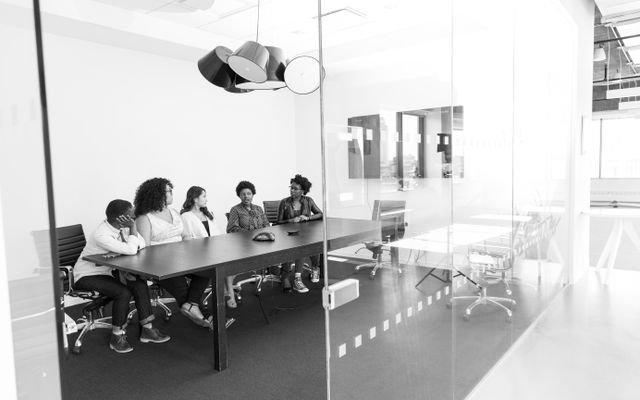
Photo: Jan van der Wolf / Pexels
Meetings are the lifeblood of most organizations, but unchecked schedules can drain time, blur priorities, and erode morale. A "meeting audit" is a systematic review that reveals which gatherings add value, which merely fill space, and how to restructure the calendar for maximum impact without sacrificing alignment.
1. Map the Current Landscape
Start by collecting data for a typical two‑week period. Capture the title, purpose, participants, duration, and frequency of every recurring and ad‑hoc meeting. A simple spreadsheet works: column A for the meeting name, B for the stated objective, C for attendees, D for length, and E for how often it occurs.
When you step back, patterns emerge. You might notice a weekly 60‑minute sync that consistently runs under 20 minutes, or a cross‑functional huddle that repeats daily with the same agenda. These clues point to opportunities for consolidation or elimination.
2. Evaluate Purpose vs. Outcome
For each entry, ask three questions:
- What decision or deliverable is this meeting supposed to produce?
- Who must be present for that outcome to happen?
- Could the same result be achieved with a brief email, a shared document, or an asynchronous update?
If the answer to the third question is "yes," consider replacing the meeting with a written update. If the answer is "no" but the participant list includes people who rarely contribute, trim the invite list. A regional retailer, for example, discovered that its weekly sales‑ops briefing included senior finance staff who only needed the final report. Removing them cut the meeting by 15 minutes and freed senior leaders for strategic work.
3. Redesign the Cadence
With the low‑value meetings identified, restructure the remaining schedule around three principles: purpose, frequency, and duration.
- Purpose‑driven agendas: Draft a one‑sentence objective and circulate it 24 hours in advance. Only invite those who can directly influence the outcome.
- Timeboxing: Set a strict end time and assign a facilitator to keep the discussion on track. A ten‑person agency found that moving its creative brainstorms from 90 minutes to 45 minutes forced sharper ideas and reduced fatigue.
- Rhythmic balance: Mix short stand‑ups (15 minutes) with longer deep‑dive sessions (60‑90 minutes) on a predictable cadence so teams know when to prepare and when to focus on execution.
If a meeting currently occurs daily but only produces new items twice a week, shift it to a twice‑weekly slot. Conversely, if a weekly sync consistently generates urgent issues, consider a brief mid‑week check‑in to keep momentum without extending the main meeting.
4. Institutionalize Accountability
A one‑time audit is useful, but habits revert without ongoing checks. Implement a lightweight governance loop:
- Quarterly audit: Re‑run the two‑week data capture and compare metrics such as total meeting hours per employee and average attendance rate.
- Owner sign‑off: Assign a meeting owner who must approve any new recurring invite and justify its frequency and length.
- Feedback channel: Provide a short, anonymous survey after each meeting series to capture participant sentiment about relevance and efficiency.
When the ten‑person agency instituted quarterly reviews, it discovered that a monthly client‑review call had become a status update for internal staff. The owner redirected the call to a shared dashboard, eliminating a 30‑minute slot each month.
5. Communicate the Change and Model the New Norm
Transparency prevents resistance. Share the audit findings, the rationale for each adjustment, and the expected benefits. Highlight success stories—such as the retailer’s 20% reduction in weekly meeting load—so teams see tangible outcomes.
Leaders must model the new behavior: start and end on time, stick to the agenda, and resist the urge to add “quick updates” that belong in an email thread. Over time, the cultural expectation shifts from "we meet a lot" to "we meet when it matters."
By treating meetings as a strategic resource rather than a default activity, organizations keep alignment tight while freeing up the deep‑work bandwidth essential for growth. A disciplined meeting audit turns calendar clutter into a clear, purpose‑driven rhythm that supports both collaboration and productivity.
This article was written with AI assistance. It offers general information, not personal financial, legal or career advice.