Local Brands, Global Ambitions: Expanding Without Losing the Plot
Learn how small businesses can scale beyond their hometown while preserving the culture and customer focus that made them successful.

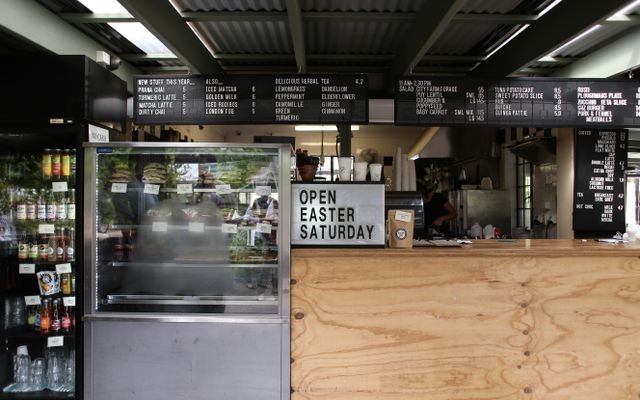
Photo: Hanna Pad / Pexels
Growing a business beyond its local market is an exciting milestone, but it also brings a host of challenges that can dilute the very qualities that earned the brand its loyal following. The key is to expand deliberately, keeping core values front and center while adapting to new environments. Below are practical steps that any small business can follow to broaden its reach without losing its identity.
Clarify the Core Identity
Before stepping onto a larger stage, take inventory of what makes the brand unique. Is it the personal touch in customer service, a distinctive product aesthetic, or a community‑first mindset? Write these attributes down in plain language and refer to them whenever a strategic decision is made. This simple reference point acts as a compass, ensuring that every expansion effort aligns with the brand’s original promise.
Test the Waters with Controlled Pilots
Instead of launching a full‑scale operation in a new region, start with a limited pilot. A regional retailer might open a pop‑up shop in a neighboring city, while a ten‑person agency could take on a single client outside its home market. These low‑risk experiments reveal local preferences, regulatory nuances, and logistical hurdles without committing extensive resources. Use the insights gained to refine processes before committing to a permanent presence.
Build a Replicable Culture
Culture is often the most fragile element during growth. To protect it, codify the behaviors and rituals that define daily life at the company. This could be a weekly team huddle, a customer‑feedback loop, or a set of brand storytelling guidelines. When new locations open, embed these practices from day one. Training programs that blend virtual workshops with on‑site mentorship help new hires internalize the brand’s ethos quickly.
Leverage Local Partnerships
Entering a new market is easier when you have allies who already understand the terrain. A regional retailer might collaborate with a local artisan to co‑create a product line, while an agency could partner with a complementary service provider to broaden its offering. These partnerships provide credibility, open distribution channels, and allow the brand to stay rooted in community values even as it expands.
Standardize Systems, Customize Experiences
Operational consistency is essential for scaling, but customer experience should remain adaptable. Implement standardized tools for inventory, finance, and project management so that every location runs smoothly. At the same time, empower local teams to tailor marketing messages, product assortments, and service touches to reflect regional tastes. This balance ensures efficiency without turning the brand into a bland, one‑size‑fits‑all entity.
- Define core brand values and revisit them regularly
- Run low‑risk pilots before full market entry
- Document and teach cultural rituals across locations
- Form partnerships with established local players
- Standardize back‑office systems while allowing front‑end flexibility
By treating expansion as an iterative process rather than a single leap, small businesses can grow confidently. The focus stays on delivering the same level of authenticity and quality that earned the brand its reputation, even as new customers discover it in distant markets. With a clear identity, thoughtful testing, a strong cultural framework, strategic partnerships, and a blend of standardization and localization, any local brand can pursue global ambitions without losing the plot.
General information only, not personal financial, legal or career advice.