Court Permanently Shuts Down Illegal Debt Relief Operation Following FTC Allegation That Scheme’s Operators Impersonated Government and Business Entities
At the Federal Trade Commission’s request, a federal court has permanently banned the operators of an alleged debt relief scheme that targeted seniors and veterans by impersonating banks, credit card companies and…

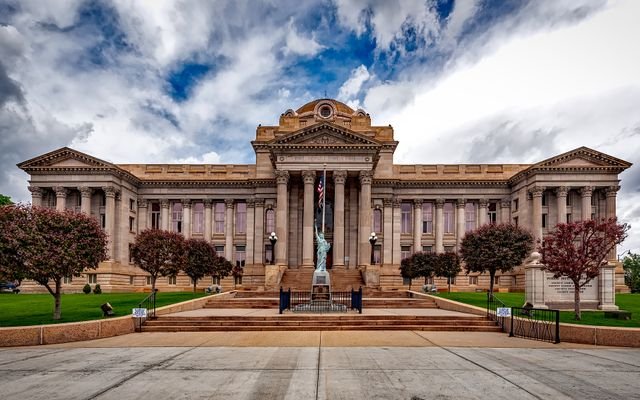
Photo: Zeynep / Pexels
At the Federal Trade Commission’s request, a federal court has permanently banned the operators of an alleged debt relief scheme that targeted seniors and veterans by impersonating banks, credit card companies and government agencies.
On October 14, 2026, the court entered a default judgment of $106.8 million against corporate defendants Accelerated Debt Settlement Inc., ADS Resolve LLC, Financial Solutions Group LLC, Unified Capital Services LLC, Mediwerks, Resolution Specialists LLC and Futura Capital banning the corporate and individual defendants involved from the debt relief industry.
“Targeting seniors and veterans, pretending to be entities they know and trust, and then robbing them of their hard-earned money is egregious behavior,” said Christopher Mufarrige, Director of the FTC’s Bureau of Consumer Protection. “The FTC will continue to take action against impersonation and illegal debt relief schemes.”
In July 2025, at the FTC’s request, a federal court temporarily halted the Accelerated Debt Settlement operation. The complaint alleged the defendants falsely claimed to be banks and government entities and that they could reduce consumers’ debt by as much as 75% or more.
The complaint further alleged that the operators contacted consumers through telemarketing calls or in response to inbound calls resulting from their direct-mail and online ads. The defendants also collected illegal advance fees.
The October 14 order bans defendants from:
- Impersonating any government entity, business or person, or violating the Impersonation Rule
- Advertising, marketing, promoting, offering for sale or selling any debt relief product or service, or assisting anyone else in providing such services
- Telemarketing, whether directly or through an intermediary
- Misrepresentations, including, but not limited to: any material aspect of any cancellation, exchange or repurchase policy; the expertise or position of any person providing a product or service; the ability to improve or otherwise affect a consumer’s credit record, credit history or credit rating; and that a consumer will save money
- Using any consumer’s credit report without having a permissible purpose and misrepresenting the purpose for which a credit report is being obtained or used
In March 2026, the court entered stipulated orders with the three individual defendants—Jeffrey Lakes, Robert Knechtel and Elizabeth Reaney—that contain the same bans as the corporate defendants and require the individuals to turn over their assets.
Specifically, the order against Lakes contains $104.3 million judgment, jointly and severally with the other defendants, which will be partially suspended after he turns over assets valued at approximately $12.6 million. The order against Knechtel contains a $37,299,828 judgment, which will be suspended based on his inability to pay. Finally, the order against Reaney requires her to either transfer $175,000 or the title to her home in Scottsdale, Arizona. All money collected from the individual defendants would become available to provide redress to defrauded consumers. If any of the individual defendants are later found to have misrepresented their financial condition to the Commission, the full amount of their judgment would immediately become due.
The FTC has resources for consumers on how to avoid credit card and other debt relief scams.
The Commission vote approving each of the three stipulated final orders was 2-0. The FTC filed the orders in the U.S. District Court for the District of Arizona.
Source: FTC