From Blunders to Breakthroughs: Turning Mistakes Into Organizational Learning
When errors surface, leaders can transform them into powerful lessons that elevate teams and drive lasting improvement.

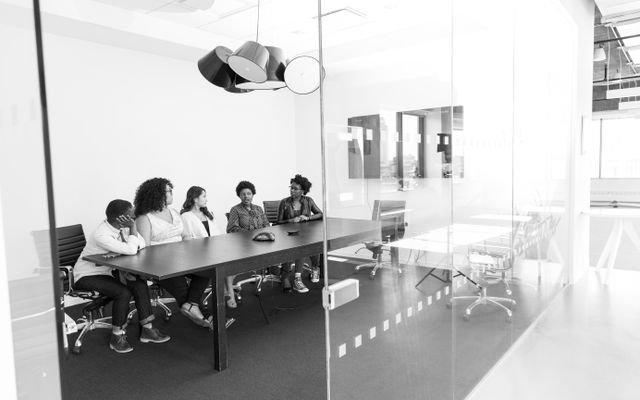
Photo: Jessica Lewis 🦋 thepaintedsquare / Pexels
A Culture of Transparent Feedback
Mistakes are inevitable in any organization, but how a company responds determines its future success. The first step is cultivating a culture where feedback flows freely, not just upward but also laterally and downward. When team members feel safe to voice concerns, they can surface errors before they spiral into larger problems.
Consider a regional retailer that noticed a sudden drop in customer satisfaction after a new inventory system went live. Instead of blaming a single department, the leadership team convened a cross‑functional workshop. Each participant shared observations, and together they mapped the root causes. This open dialogue turned a potential crisis into a structured learning session.
Systematic Root‑Cause Analysis
Once an error is identified, leaders should apply a systematic approach to uncover the underlying factors. A simple method involves asking "Why?" repeatedly until the core issue emerges. This technique helps teams avoid blaming individuals and instead focus on process gaps.
A ten‑person agency experienced a project delay due to misaligned client expectations. By tracing the timeline of communications and decisions, the team discovered that the client’s brief had changed midway through the project, but the change was not formally documented. Recognizing this, the agency updated its brief‑review process to include a mandatory change‑log for all projects.
Embedding Lessons Into Processes
Turning a mistake into learning requires that lessons be embedded into everyday workflows. Leaders can do this by updating standard operating procedures, creating quick‑reference guides, or integrating new checkpoints into project management tools.
After the inventory system mishap, the retailer added a pre‑deployment checklist that requires a data‑validation step and a pilot test with a small customer segment. The checklist became a standard part of every new system rollout, reducing the likelihood of similar errors.
Celebrating Learning Moments
Acknowledging mistakes publicly signals that learning is valued over punishment. Leaders can share short case studies in team meetings, highlighting what went wrong, what was learned, and how the organization will move forward.
In the agency example, the project manager presented a brief recap of the delay and the new change‑log protocol to the entire firm. The session ended with a brief discussion on how the updated process could benefit future clients, reinforcing that the mistake had led to tangible improvement.
By celebrating these learning moments, leaders reinforce a growth mindset, encourage continuous improvement, and build trust across teams.
Sustaining the Learning Cycle
Learning from mistakes is not a one‑time event; it requires ongoing attention. Leaders should schedule regular retrospectives, whether after projects, releases, or quarterly reviews. These retrospectives serve as checkpoints to assess whether new processes are working and to identify fresh opportunities for growth.
A mid‑size software firm, for instance, holds a monthly retrospective after each sprint. The team reviews what went well, what didn’t, and what changes will be implemented. Over time, this routine creates a repository of lessons that the organization can reference whenever similar challenges arise.
In sum, turning mistakes into organizational learning hinges on three pillars: open feedback, systematic analysis, and deliberate integration of lessons into everyday practices. When leaders model these behaviors, they turn setbacks into stepping stones for lasting excellence.
General information only, not personal financial, legal or career advice.