A Plain‑English Guide to Index Funds
Learn how index funds work, why they’re a core building block for investors, and simple steps to add them to any portfolio.
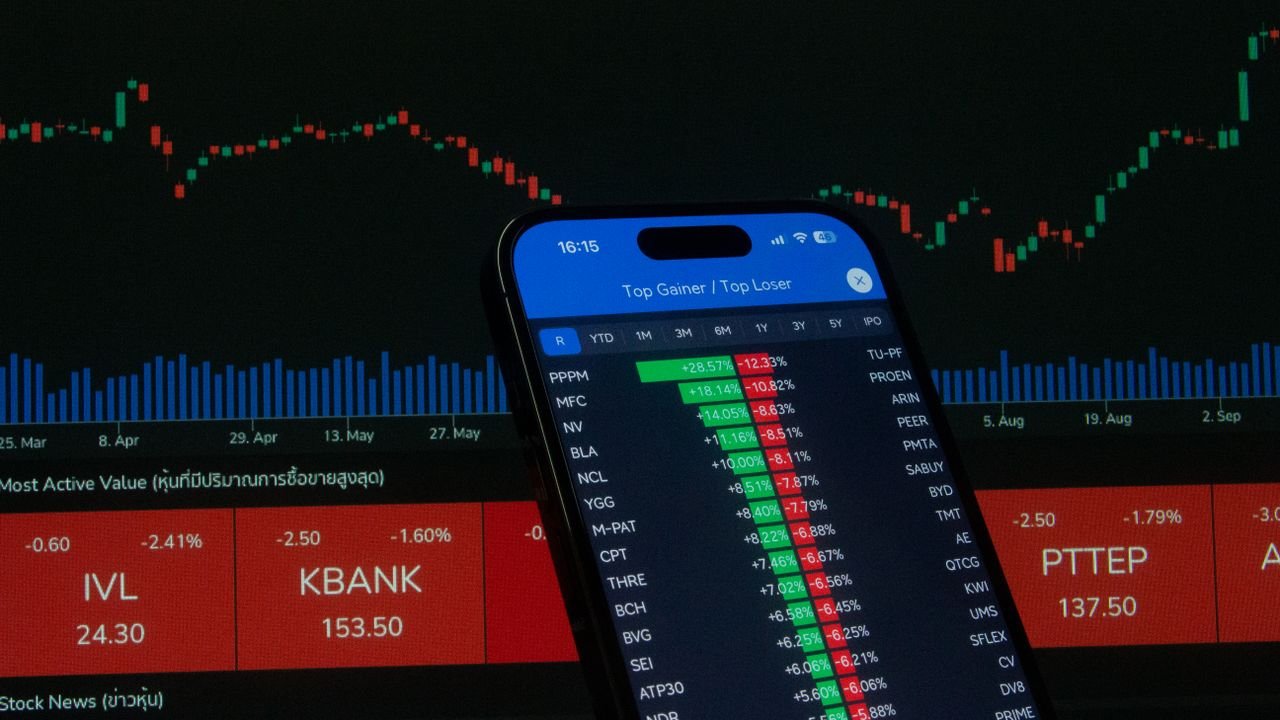
Photo: StockRadars Co., / Pexels
What Is an Index Fund?
An index fund is a type of investment vehicle that aims to match the performance of a broad market segment. Instead of trying to pick individual winners, the fund holds a collection of securities that together represent a specific index. The result is a low‑maintenance way to gain exposure to a wide slice of the market.
How Index Funds Differ From Actively Managed Funds
Actively managed funds rely on a manager’s research and judgment to select stocks they believe will outperform. This approach often involves higher fees, more frequent trading, and the risk that the manager’s choices may not beat the market. Index funds, by contrast, follow a set rule—mirroring the composition of an index—so they typically have lower costs and more predictable outcomes.
Key Benefits of Using Index Funds
- Broad diversification without having to buy dozens of individual securities
- Lower expense ratios because there’s no need for a large research staff
- Transparent holdings that make it easy to see exactly what you own
- Tax efficiency due to minimal turnover
Choosing the Right Index Fund for Your Goals
Start by clarifying the part of the market you want to capture. If you’re looking for exposure to large, well‑known companies, a fund that tracks a major domestic index may be appropriate. For broader exposure, consider a fund that follows a global or emerging‑market index. If you prefer a focus on a particular sector, such as technology or healthcare, there are niche index funds that zero in on those areas.
Next, evaluate the fund’s cost structure. Even small differences in expense ratios can add up over time, so look for funds that keep fees as low as possible while still delivering the desired exposure. Also, check the fund’s tracking error—how closely it follows its benchmark. A low tracking error means the fund is doing its job well.
Finally, think about the account type you’ll use. Many brokerage platforms offer index funds with no transaction fees, making it easy to start with a modest amount of capital. Some employers also provide access to index funds through retirement plans, which can be a convenient way to build long‑term wealth.
Getting Started with an Index‑Fund Portfolio
Begin by allocating a portion of your investment capital to a core index fund that reflects the broad market. This core holding can serve as the foundation of your portfolio. From there, you can add complementary funds that target specific regions, sectors, or investment styles to align with your personal risk tolerance and objectives.
For example, a small business owner might keep the majority of assets in a domestic large‑cap index fund and add a separate fund that tracks international markets to capture growth outside the home country. A ten‑person agency could allocate a portion of its cash reserves to a bond index fund to balance equity exposure with more stable income.
Regularly review your allocation to ensure it still matches your goals and risk appetite. Rebalancing—selling a portion of an over‑weighted fund and buying more of an under‑weighted one—helps maintain the intended mix without having to pick individual stocks.
Common Mistakes to Avoid
One frequent error is chasing recent performance. Because index funds aim to mirror an index, past outperformance does not guarantee future results. Stick to the strategy that fits your long‑term plan rather than reacting to short‑term market moves.
Another pitfall is overlooking fees hidden in the fine print. Even if a fund advertises a low expense ratio, there may be additional costs such as transaction fees or account maintenance charges. Make sure you understand the total cost of ownership before committing.
Finally, avoid over‑complicating your portfolio with too many overlapping index funds. Holding several funds that track similar indexes can lead to unnecessary duplication and dilute the benefits of diversification.
Putting It All Together
Index funds offer a straightforward, cost‑effective way to participate in the market’s overall growth. By selecting funds that align with your investment horizon, risk tolerance, and financial objectives, you can build a resilient portfolio with minimal fuss. Start with a solid core fund, add complementary exposures as needed, keep an eye on costs, and stay disciplined through market cycles. This plain‑English approach lets you focus on what matters most—building lasting wealth over time.
General information only, not personal financial, legal or career advice.